Transformative Urban Development: Concrete's Role in Pedestrian-Friendly City Plans Jan 02, 2026
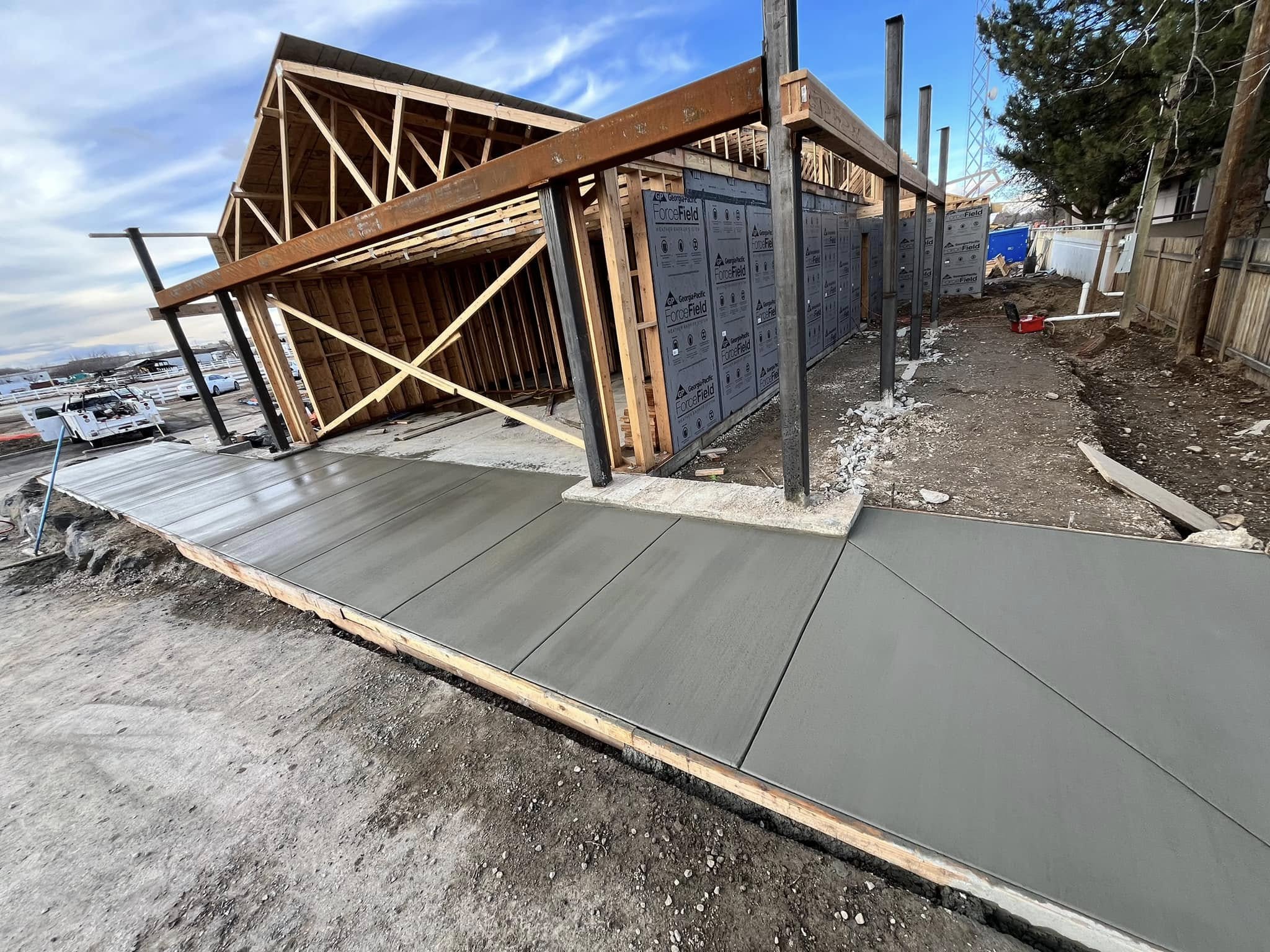
In today’s fast-paced world, pedestrian-friendly city plans are increasingly important. They not only promote healthier lifestyles but also foster stronger communities and reduce our carbon footprint. By focusing on walkability, cities make public transport more accessible and safe for pedestrians, ultimately reducing reliance on cars. Concrete, as a robust and adaptable material, enables urban developers to construct pathways, sidewalks, and intersection enhancements that are tailored for pedestrian use.
One of the main benefits of concrete in urban development is its longevity. Unlike other materials that may wear or weather quickly, concrete can withstand heavy foot traffic, which is essential for bustling city areas. For city planners, this durability translates into fewer repairs and less disruptive maintenance, enhancing the urban experience for all users.
Additionally, the aesthetic versatility of concrete plays a significant role in creating visually appealing urban environments. Decorative concrete techniques allow for the customization of color, texture, and design, aligning pedestrian spaces with the overall architectural vision of the city. This allows cities to create inviting spaces that encourage residents and visitors to spend time outdoors and engage with their surroundings.
Concrete solutions are not only practical but can also significantly impact urban heat islands. By using light-colored or reflective concrete for walkways, cities can reduce surface temperatures, creating cooler environments in densely populated areas. This is crucial in battling the effects of climate change and making urban areas more comfortable and livable.
Moreover, concrete's contribution to sustainability should not be overlooked. As we move towards greener building practices, the incorporation of recycled materials in concrete mixtures is becoming more prevalent. This reduces the demand for virgin materials and lessens the overall environmental impact of construction projects.
Pedestrian-friendly city plans also emphasize safety, and here, concrete provides a reliable solution. Features such as raised pedestrian crossings, speed bumps, and clearly defined walkways enhance the safety of city dwellers by improving visibility and traffic control. Concrete barriers and bollards can also be strategically placed to protect pedestrian zones from vehicular traffic, adding an extra layer of security.
Furthermore, the adaptability of concrete makes it ideal for retrofitting existing urban landscapes. For cities looking to transform auto-centric areas into pedestrian-friendly zones, the versatility of concrete allows for easy integration with existing infrastructure, minimizing the need for extensive demolition and reconstruction.
In conclusion, concrete is indispensable in the quest for pedestrian-friendly city planning. Its durability, aesthetic benefits, thermal properties, and sustainability make it a cornerstone of modern urban development. At AMF Concrete Construction, we are committed to providing innovative concrete solutions that align with the goals of urban planners and enrich the lives of city dwellers. Through thoughtful design and implementation, concrete helps pave the way for healthier, more sustainable, and vibrant urban communities. As cities continue to evolve, concrete will remain a vital part of the landscape, supporting the development of dynamic, pedestrian-friendly environments for generations to come.
/filters:no_upscale()/filters:format(webp)/media/2d3552c3-5a53-416f-9ff5-d38e8300f855.jpg)
/filters:no_upscale()/filters:format(webp)/media/6e10d7c4-3b94-4a74-a181-643bd471960f.jpeg)