The Role of Concrete in Sustainable Urban Transportation Infrastructure Nov 12, 2025
Urban areas are constantly expanding and with this expansion comes the demand for reliable transportation networks. Concrete is the backbone of this infrastructure due to its unparalleled durability, strength, and adaptability to various construction projects. From roads and highways to bridges and tunnels, concrete serves as the fundamental material that supports our sprawling urban landscapes.
One of the key benefits of concrete is its longevity. Unlike other materials that may require frequent repairs or replacements, well-constructed concrete can last decades with minimal maintenance. This longevity is crucial in reducing the environmental impact associated with infrastructure development. By investing in concrete structures, cities can reduce the need for raw material extraction and the subsequent pollution generated by manufacturing and transportation processes.
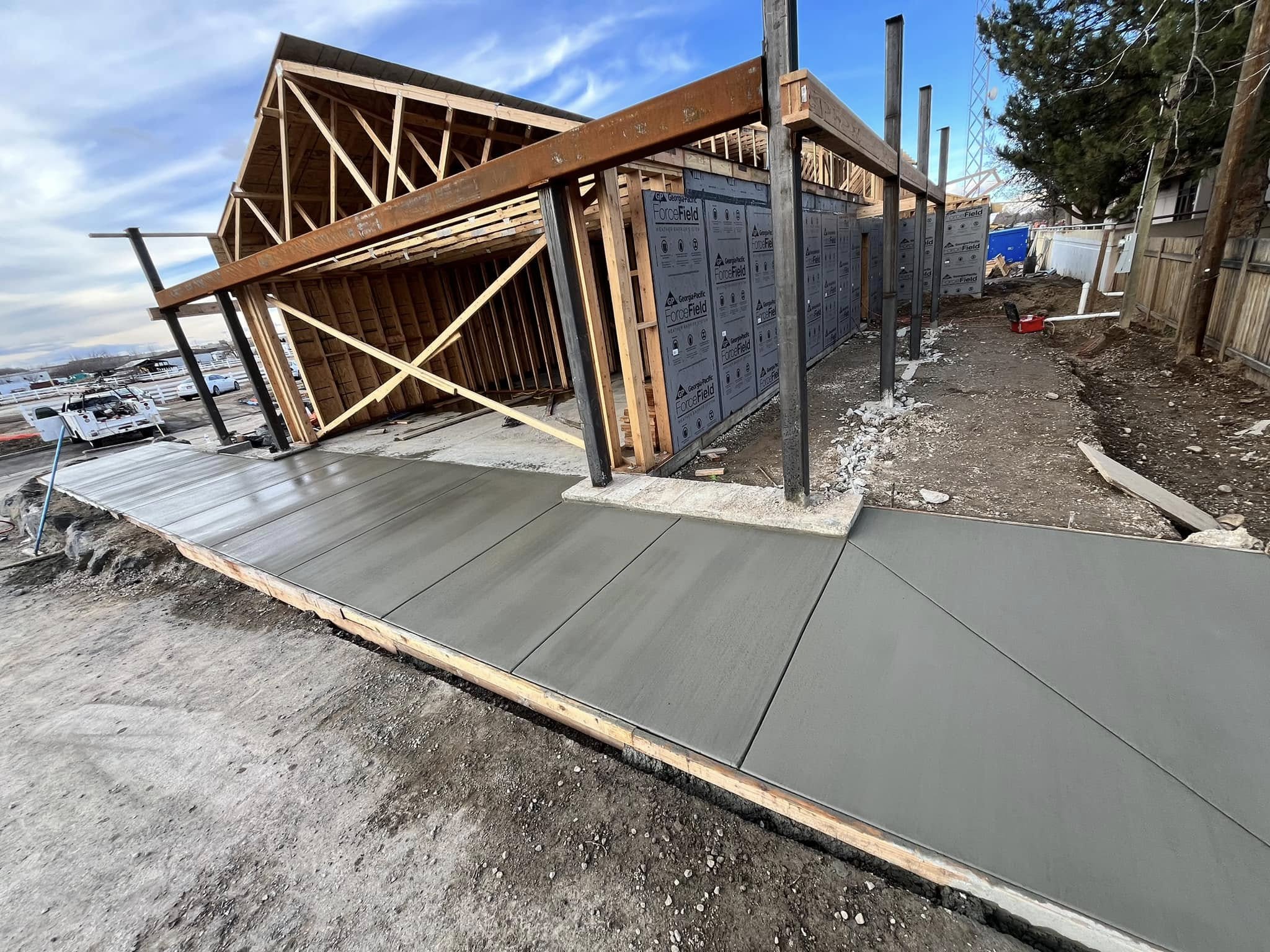
Moreover, concrete contributes to sustainable transportation by enabling the creation of smoother, more efficient travel routes. Smooth concrete surfaces reduce vehicle wear and tear, leading to lower maintenance costs and a decrease in fuel consumption. This not only saves money for vehicle owners but also contributes to reduced carbon emissions. In densely populated areas where traffic congestion poses significant challenges, the efficient use of concrete in roadways helps alleviate these issues by supporting better traffic flow.
In addition to its physical properties, the production of concrete has seen significant advances in sustainability practices. Today's concrete can include recycled materials, such as fly ash or slag, which reduce the reliance on new raw materials and limit waste. Furthermore, innovative techniques like carbon sequestration in concrete production offer additional pathways to reduce the carbon footprint of concrete structures, making them even more environmentally friendly.
Concrete's role in public transportation cannot be understated. Sustainable urban transport relies heavily on efficient, robust public transit systems. Concrete provides the foundational infrastructure for railways, subways, and bus lanes, ensuring these systems operate smoothly and reliably. An efficient public transportation system, underpinned by robust concrete construction, can reduce dependency on personal vehicles and lower overall emissions.
Additionally, the adaptability of concrete to different climatic conditions makes it a favorable choice for cities worldwide. Its ability to withstand various environmental stresses, such as extreme temperatures and heavy loads, ensures that transportation systems remain operational year-round, regardless of weather conditions. This reliability is essential for ensuring the uninterrupted flow of goods and services, crucial for urban economic stability.
In conclusion, concrete's contribution to sustainable urban transportation infrastructure is significant and multifaceted. AMF Concrete Construction recognizes the importance of utilizing concrete to build a future where efficient and sustainable transportation systems ensure the smooth functioning of our urban environments. By continually investing in innovative techniques and sustainable practices, AMF Concrete Construction is committed to shaping the cities of tomorrow with durable and environmentally friendly concrete solutions. As we look towards the future, the role of concrete in sustainable transportation remains indispensable, promising cities that are not only more efficient but also resilient and environmentally responsible.
/filters:no_upscale()/filters:format(webp)/media/2d3552c3-5a53-416f-9ff5-d38e8300f855.jpg)
/filters:no_upscale()/filters:format(webp)/media/6e10d7c4-3b94-4a74-a181-643bd471960f.jpeg)