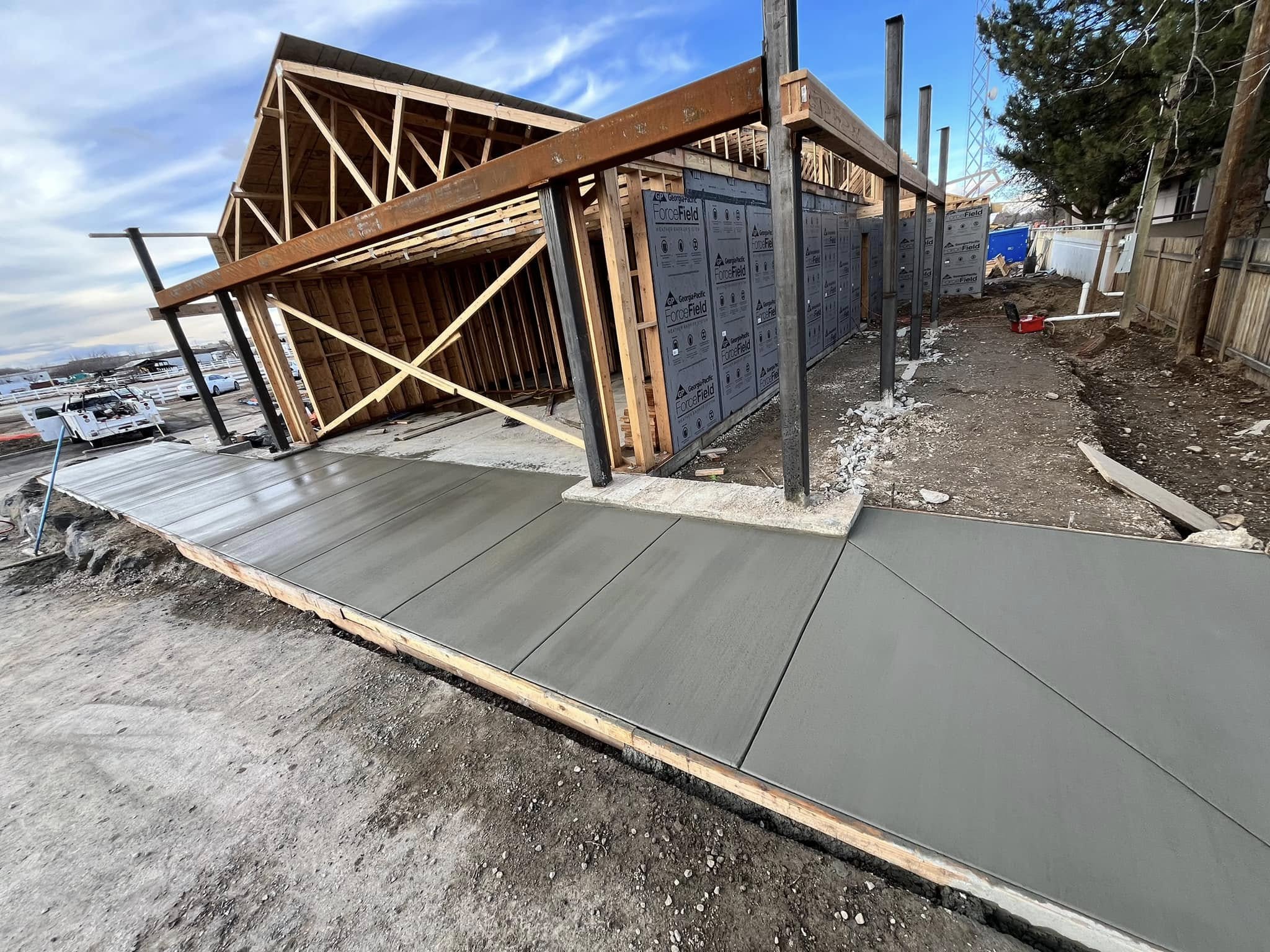
Smart Strategies for Managing Concrete Project Timelines Feb 04, 2026
Begin with comprehensive planning. Before breaking ground, create a detailed project plan outlining all tasks and their respective timelines. This should include everything from site preparation and procurement of materials to mixing, pouring, and curing concrete. Using project management software can further streamline this process, allowing for easy adjustments and real-time tracking. By having everything well-documented, the project team can stay on task and avoid unnecessary delays.
Collaboration and communication are key. Encourage open communication between all stakeholders, including project managers, contractors, suppliers, and clients. Regular meetings can help identify potential issues early on and facilitate quicker troubleshooting. Effective communication can prevent misunderstandings that might lead to project delays. Make sure all parties are aware of changes in schedule or unexpected challenges to keep everyone aligned with the project’s goals.
Proper resource allocation is another fundamental strategy. Ensure that all necessary resources, including labor, equipment, and materials, are available when needed. This requires precise scheduling and inventory management to prevent work stoppages due to resource unavailability. Developing relationships with reliable suppliers can ensure timely delivery of materials, which is essential for maintaining schedules.
Weather considerations should not be overlooked when managing concrete project timelines. Weather can significantly impact concrete curing and outdoor work. Having contingency plans in place for adverse weather conditions is prudent. By monitoring weather forecasts and adjusting schedules accordingly, you can mitigate the risks of weather-related delays. For instance, pouring concrete on days with moderate temperatures can enhance curing processes and avoid weather-induced setbacks.
Quality control checkpoints at each phase of the project help maintain standards and keep timelines on track. By conducting regular inspections, you can identify any deviations from project specifications early. This allows for immediate corrections that prevent rework, saving both time and cost down the line. Ensuring that each phase of the project is completed correctly the first time around is vital for staying on schedule.
Finally, effective leadership is essential for keeping the entire project team motivated and focused on meeting deadlines. A good leader will ensure that each team member understands their role and timeline. They will also provide the necessary support and resources for their team to succeed. Foster an environment where team members feel empowered to take initiative and propose solutions for any timeline challenges they encounter.
In conclusion, managing concrete project timelines is about strategic planning, impeccable communication, and constant vigilance. By implementing these smart strategies, AMF Concrete Construction can continue to deliver projects on time and tailor their services to meet the evolving needs of their clients. When timelines are managed effectively, it leads to client satisfaction, which is paramount for any successful construction company. Adopting these guidelines can lead to streamlined operations and impressive results, ensuring that each project not only meets but exceeds client expectations.
/filters:no_upscale()/filters:format(webp)/media/2d3552c3-5a53-416f-9ff5-d38e8300f855.jpg)
/filters:no_upscale()/filters:format(webp)/media/6e10d7c4-3b94-4a74-a181-643bd471960f.jpeg)