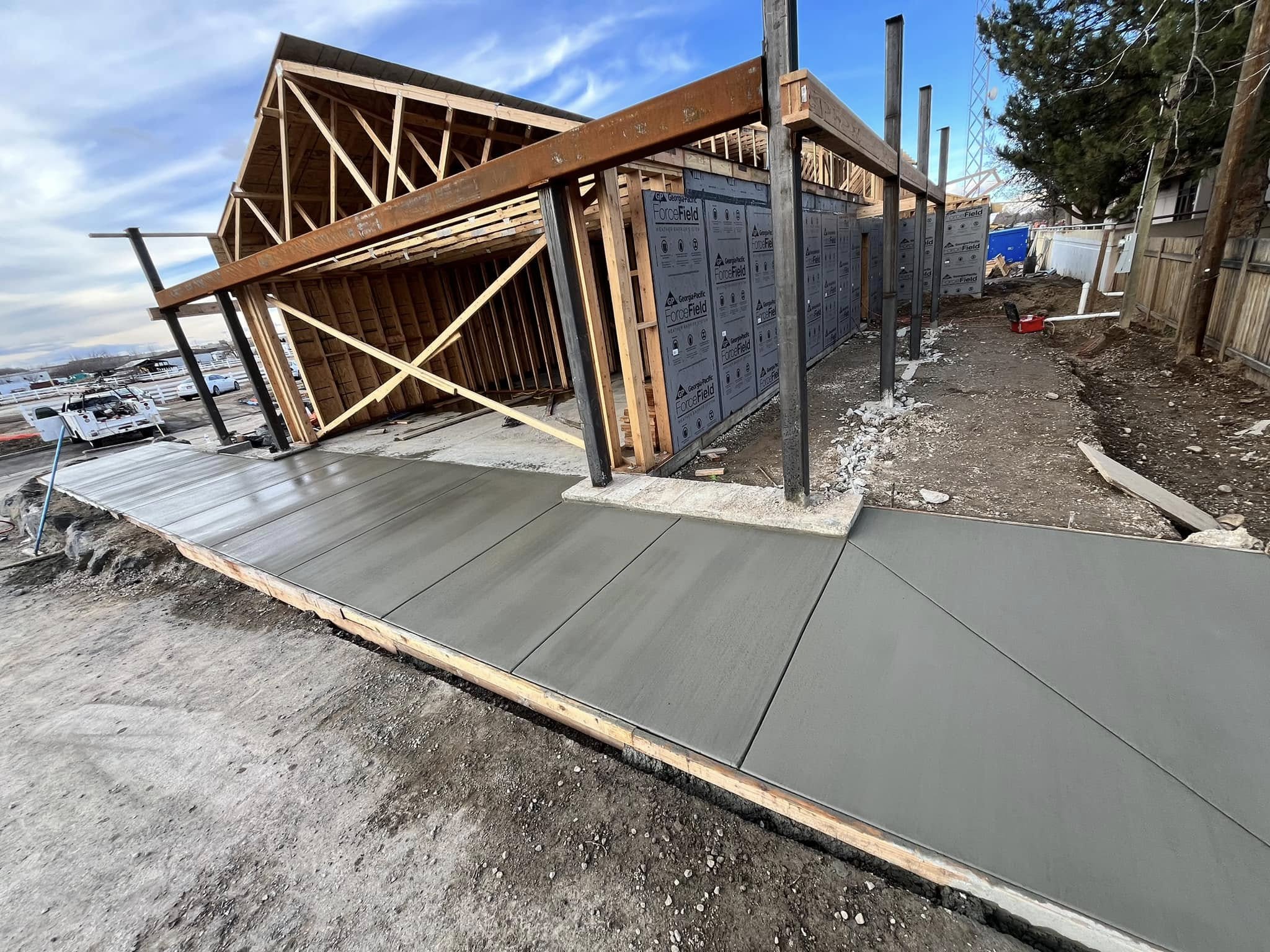
Next-Generation Urban Resilience: Concrete Solutions for Sustainable Sidewalk Infrastructure Aug 03, 2026
Traditionally, sidewalks have been constructed using materials that, over time, can deteriorate and become liabilities to urban landscapes. Cities often face issues such as cracking, surface erosion, and inadequate drainage, leading to costly repairs and replacements. However, concrete solutions provided by industry leaders like AMF offer robust, long-lasting alternatives that can withstand the demands of urban environments.
The use of high-quality concrete in sidewalk construction ensures durability and longevity. Concrete's inherent strength reduces the frequency and cost of repairs, making it an economically viable option for city planners and taxpayers alike. Moreover, concrete can be engineered for enhanced performance through the use of additives and design innovations. For example, pervious concrete is a pioneering material that allows water to pass through, alleviating urban flooding and contributing to groundwater replenishment.
Beyond its practical benefits, concrete also plays a role in enhancing the aesthetic appeal of urban spaces. With increasingly sophisticated design techniques, concrete can be molded and colored to fit a city's unique visual identity. This versatility means that urban planners and architects can incorporate creativity and functionality into their designs, resulting in public pathways that are both beautiful and sustainable.
Sustainability is another critical aspect that must be considered when exploring concrete solutions. Concrete's production has traditionally been associated with high carbon emissions. However, the industry is innovating through the use of supplementary materials like fly ash and slag, which not only reduce cement usage but also enhance the material's durability. In addition, advances in recycling concrete aggregate mean that more sustainable construction practices are now available to integrate existing materials into new projects.
Concrete's adaptability also extends to its role in making cities more resilient to climate change. As urban temperatures rise, concrete's capacity to reflect solar radiation can mitigate the urban heat island effect, contributing to cooler city environments. Additionally, the longevity of concrete sidewalks minimizes the resource-intensive processes of demolition and construction, reducing the carbon footprint associated with urban development.
AMF Concrete Construction is at the forefront of providing these innovative solutions. Our commitment to sustainable practices ensures that we not only meet the current needs of our clients but also anticipate the challenges that future urban environments may present. By investing in state-of-the-art technology and environmentally conscious practices, AMF is poised to lead the charge in forging sustainable cities.
In conclusion, as cities aspire to become more resilient and responsible in addressing environmental challenges, embracing concrete solutions for sidewalk infrastructure is an essential step forward. The multifaceted benefits that concrete offers—from enhanced durability and sustainability to aesthetic flexibility—underscore its importance in shaping the cities of tomorrow. At AMF Concrete Construction, our dedication to cutting-edge technology and sustainable development positions us as a trusted partner in constructing more resilient urban environments. As planners and developers consider their next steps, opting for concrete could well be the foundational difference they need.
/filters:no_upscale()/filters:format(webp)/media/2d3552c3-5a53-416f-9ff5-d38e8300f855.jpg)
/filters:no_upscale()/filters:format(webp)/media/6e10d7c4-3b94-4a74-a181-643bd471960f.jpeg)