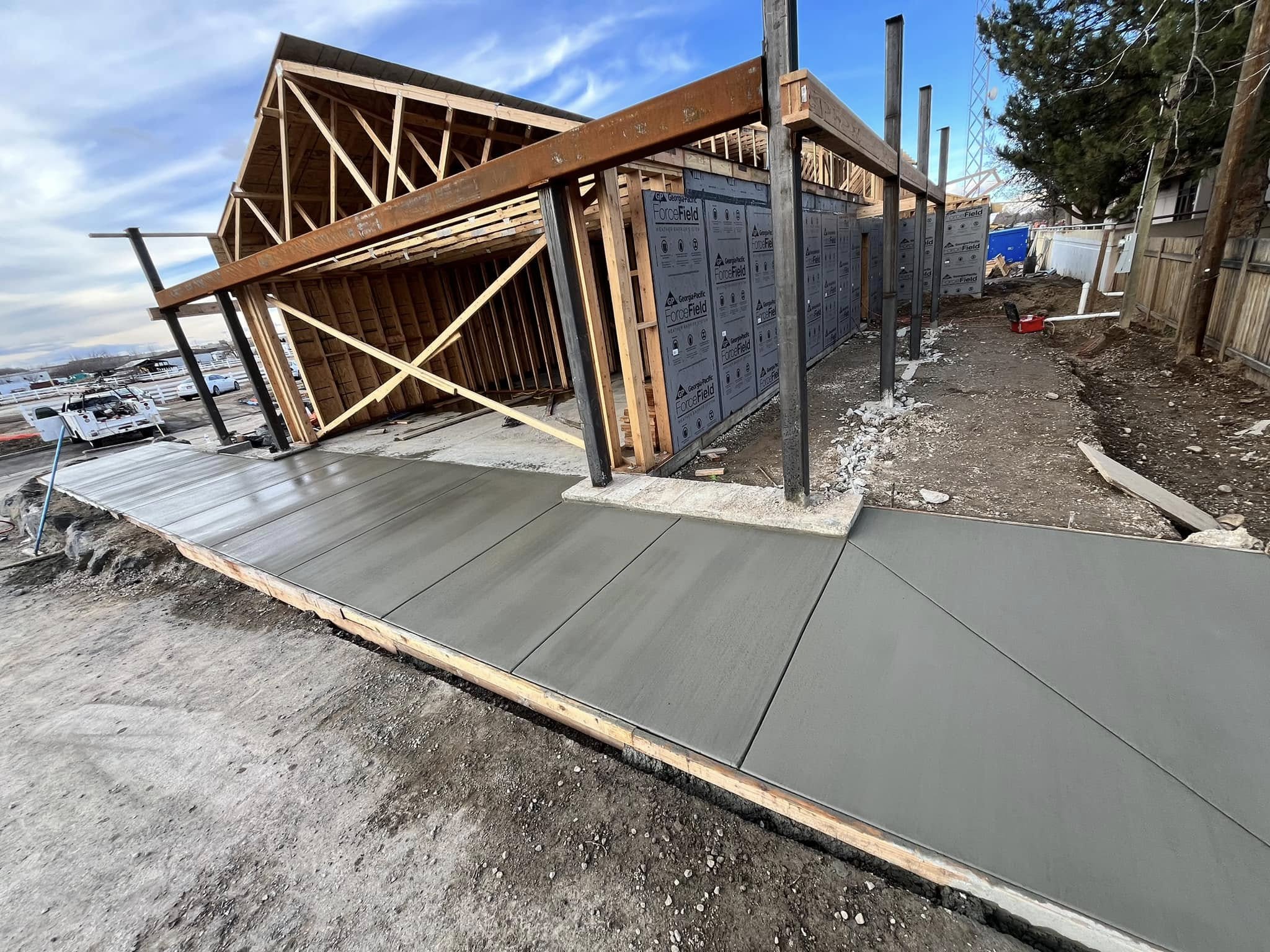
Innovative Concrete Technologies in Modernizing Public Transportation Systems Jul 02, 2026
The importance of innovative concrete solutions in the evolution of public transportation cannot be overstated. Traditional materials often fall short in addressing the contemporary challenges posed by urbanization, climate change, and increased commuter volumes. Enter high-performance concrete (HPC), a game-changer in improving the structural integrity and lifespan of bridges, roads, and rail systems. With its superior strength and durability, HPC significantly reduces the need for frequent repairs, lowering long-term costs and minimizing disruptions to transport services.
Moreover, the use of fiber-reinforced concrete (FRC) has revolutionized the construction of public transportation facilities. This material incorporates fibers into the concrete mix, which enhances its tensile strength and toughness. FRC is particularly beneficial in areas that endure heavy loads and constant use, such as airports, bus rapid transit lanes, and metro stations. By reducing the incidence of cracks and damage, fiber-reinforced concrete ensures consistent operational performance and increased safety for commuters.
Another exciting development in concrete technology is the use of ultra-high-performance concrete (UHPC). This type of concrete boasts a compressive strength of over 20,000 psi, compared to the 3,000 to 4,000 psi typical of regular concrete. Its unique composition allows for thinner, lighter structures without compromising strength or safety. UHPC is ideal for constructing sleek, slender bridges and overpasses, which not only enhance the aesthetic appeal of urban transport infrastructure but also reduce environmental impact by requiring less raw material for construction.
In addition to these material advancements, sustainability is a driving factor in the modernization of public transportation systems. Concrete production traditionally generates a significant carbon footprint; however, eco-friendly alternatives such as green concrete are making waves across the industry. Green concrete incorporates industrial by-products like fly ash or slag, minimizing the need for cement. This not only reduces production emissions but also repurposes materials that would otherwise contribute to environmental waste.
AMF Concrete Construction is committed to leveraging these technologies to build future-proof transportation infrastructures. By integrating these cutting-edge materials and techniques, the company is ensuring that new public transportation projects not only meet the demands of today's urban landscapes but also remain adaptable to future advancements and environmental considerations.
In conclusion, innovative concrete technologies are integral to the modernization of public transportation systems. Through high-performance, fiber-reinforced, and ultra-high-performance concrete, alongside sustainable practices, companies like AMF Concrete Construction are setting new standards in infrastructure resilience, efficiency, and sustainability. As cities continue to evolve, these advancements will play a pivotal role in shaping reliable and eco-friendly public transportation networks that can keep pace with growing urban demands. Investing in such technologies is not just a step towards durable infrastructure; it is a commitment to a sustainable urban future.
/filters:no_upscale()/filters:format(webp)/media/2d3552c3-5a53-416f-9ff5-d38e8300f855.jpg)
/filters:no_upscale()/filters:format(webp)/media/6e10d7c4-3b94-4a74-a181-643bd471960f.jpeg)