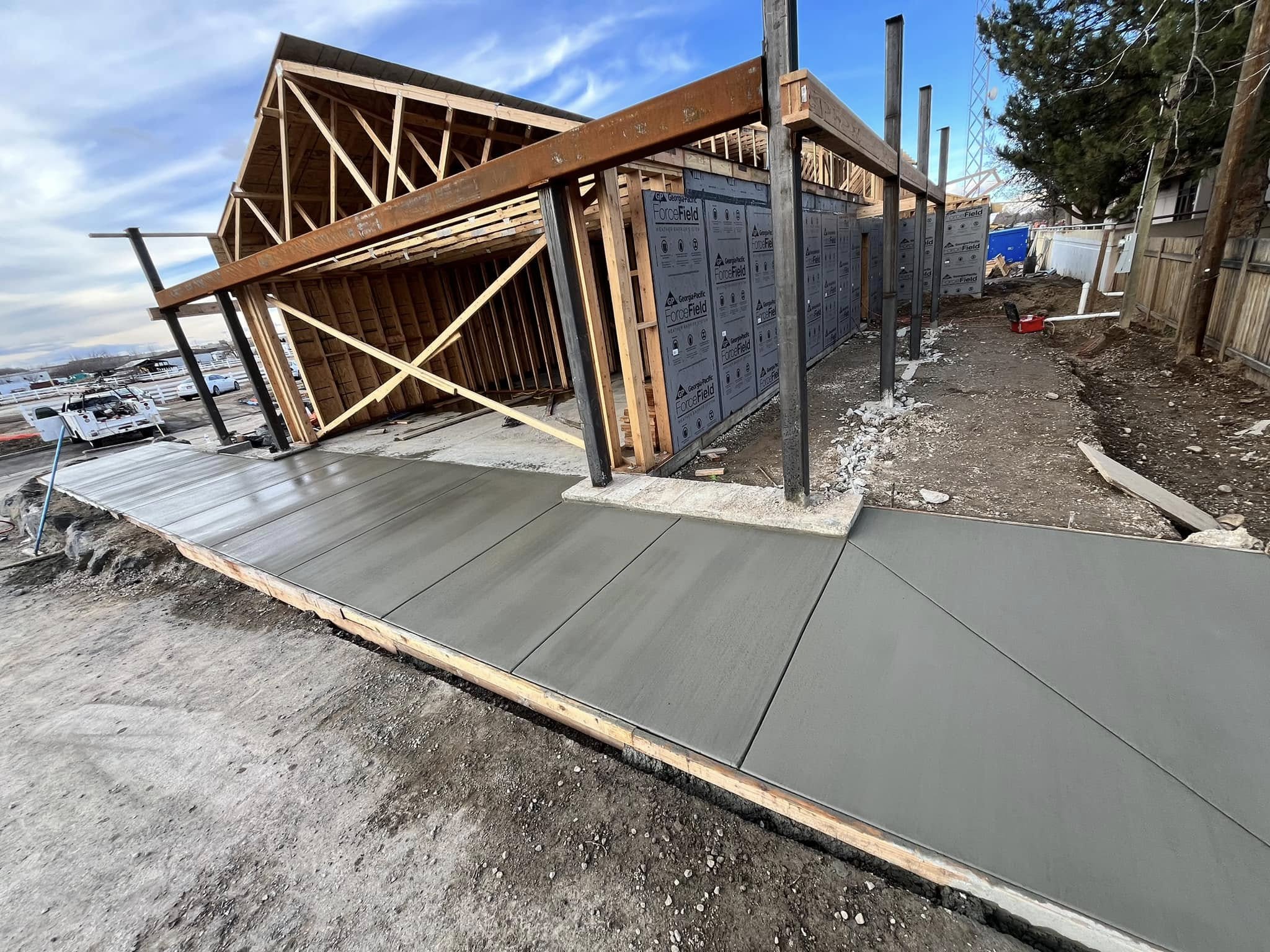
Innovative Approaches to Concrete Maintenance and Longevity Oct 27, 2025
Concrete, while robust, is not impervious to the elements. Cracks, spalling, and other surface damages are inevitable over time due to weathering, chemical exposure, and mechanical wear. Therefore, adopting proactive maintenance practices is crucial. Let's delve into some innovative approaches that can prevent premature deterioration and extend the lifespan of your concrete structures.
Firstly, surface coatings act as a protective barrier against harsh environmental conditions and chemical exposure. These coatings, often made of epoxy, polyurethane, or acrylic, seal the surface and prevent water infiltration, which is a primary cause of deterioration. By applying these coatings, especially in areas with high moisture accumulation or industrial exposure, the concrete surface remains shielded from potential damage and erosion.
Incorporating advanced materials like fiber-reinforced concrete is another significant advancement in enhancing concrete durability. This composite material integrates fibers, which add tensile strength and reduce cracking. Additionally, the use of supplementary cementitious materials (SCMs) like fly ash, slag, and silica fume can improve the performance of the concrete mix. SCMs not only enhance durability but also offer environmental benefits by reducing the carbon footprint of concrete production.
Regular inspection and maintenance are paramount. Conducting periodic assessments helps identify early signs of distress, such as small cracks or minor deformations. Addressing these issues promptly prevents them from evolving into major structural concerns. A professional inspection can help tailor a maintenance plan specific to the needs of the structure, maximizing its lifespan.
Moreover, innovative technologies such as self-healing concrete are shaping the future of maintenance-free structures. Self-healing concrete utilizes encapsulated bacteria or other mechanisms that activate when cracks occur, enabling the material to autonomously repair itself. This groundbreaking technology offers a glimpse into a future where concrete structures maintain their own integrity, minimizing the need for external interventions.
Cleaning regimes should also feature prominently in maintenance routines. Over time, concrete surfaces accumulate dirt, grime, and potentially damaging substances like oil or chemicals. Regular cleaning, preferably with pressure washing or specialized detergents, ensures that the surface remains aesthetically pleasing and functionally sound. It also helps prevent staining and the buildup of harmful deposits that could accelerate wear and tear.
Lastly, implementing proper drainage systems around concrete structures is crucial. By ensuring efficient water runoff, you mitigate risks associated with water pooling and seepage, which can lead to structural weaknesses and degradation over time. Effective drainage extends the structural reliability and aesthetic appeal of the concrete surface.
In conclusion, the longevity and durability of concrete structures are not solely reliant on initial construction quality, but equally on conscientious maintenance practices. At AMF Concrete Construction, we are dedicated to employing and advising on these innovative methods to safeguard your investments for years to come. By paring advanced technologies with regular maintenance, concrete can maintain its strength, functionality, and appearance, reflecting resilience in every structure. Embracing these strategies not only enhances longevity but also underscores a commitment to quality and innovation in construction.
/filters:no_upscale()/filters:format(webp)/media/2d3552c3-5a53-416f-9ff5-d38e8300f855.jpg)
/filters:no_upscale()/filters:format(webp)/media/6e10d7c4-3b94-4a74-a181-643bd471960f.jpeg)