Harnessing the Elements: Designing Wind-Resistant Concrete Structures Jul 09, 2026
Understanding the challenge of wind resistance starts with recognizing how wind interacts with different structures. Wind force can compromise the integrity of a building or infrastructure through lateral pressure, uplift, or vibration. These forces, if not adequately addressed during the design phase, can lead to structural failures. By integrating wind-resistant features from the outset, you can enhance the longevity and resiliency of a concrete structure.
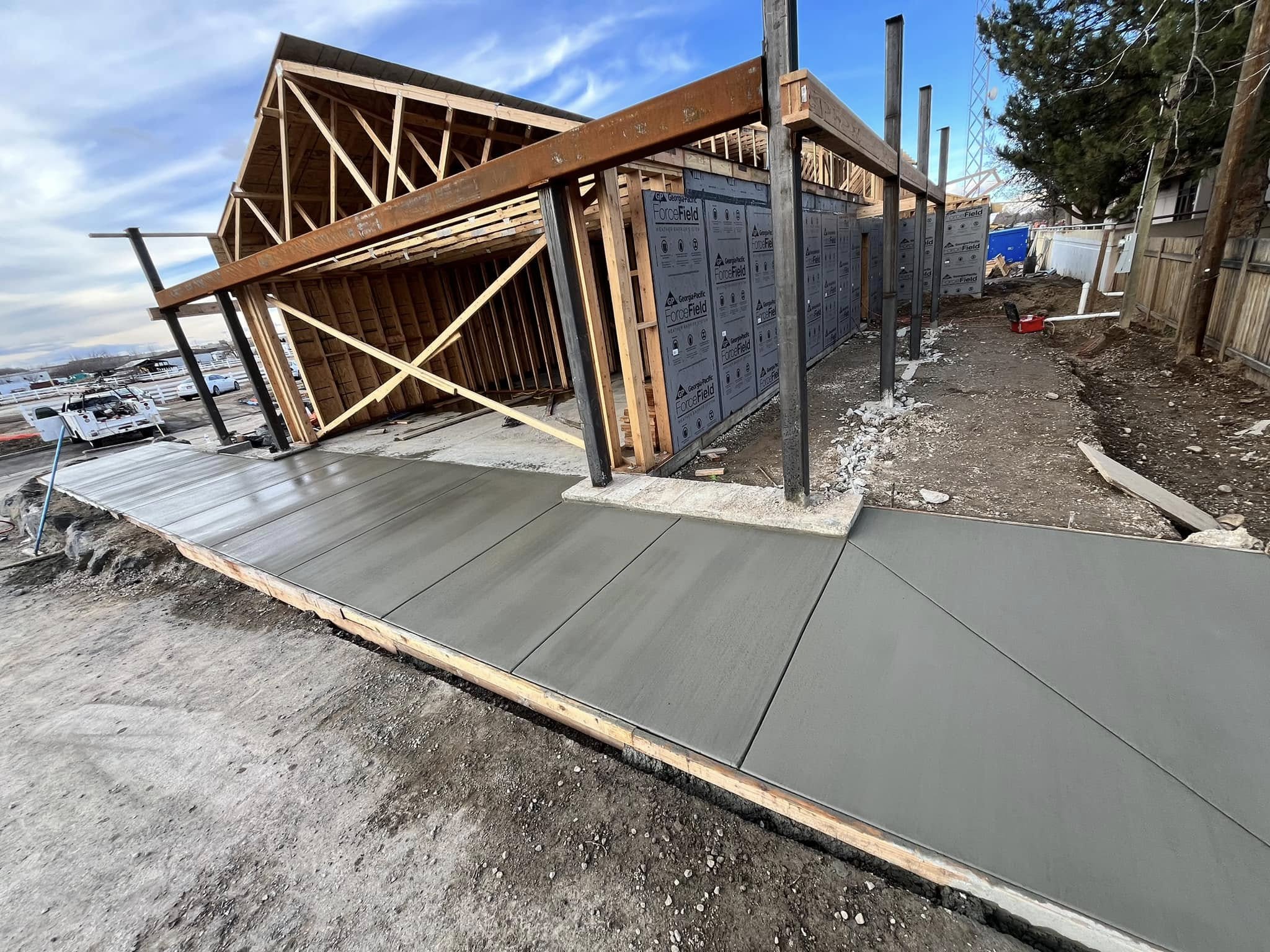
The first step in designing a wind-resistant structure is selecting the right kind of concrete mix. High-strength concrete is often favored for its density and reduced permeability, offering greater resistance against environmental factors. Incorporating reinforcements such as steel can further enhance the concrete's ability to endure wind forces. These materials allow the structure to absorb stress and redistribute it effectively, minimizing the risk of cracking or collapse.
In addition to the material composition, the architectural design plays a pivotal role in wind resistance. Streamlined shapes, for instance, can significantly diminish wind pressure by allowing air to flow more smoothly over the surface. AMF Concrete Construction's expertise in innovative design ensures that each project is optimized to reduce wind effects, enhancing both aesthetic appeal and functional stability.
Another critical aspect of wind-resistant design is the foundation. A deep and sturdy foundation anchors the structure more securely into the ground, counteracting forces that could cause uplift. Techniques such as post-tensioning can also be employed to pre-stress concrete elements, providing them with additional elasticity and strength. This flexibility is beneficial, as it allows the building to sway rather than snap under intense wind activity.
Height and mass are also factors to consider. The taller and larger the structure, the more susceptible it is to wind damage. Choosing a base-heavy configuration helps lower the center of gravity, making the building more stable. AMF Concrete Construction uses advanced engineering principles to determine the optimal balance of concrete placement and load distribution for maximum resistance.
Modern technology further aids in creating wind-resistant designs. Computational simulations allow engineers to model how wind will interact with different design elements. By using software to anticipate potential vulnerabilities, we can proactively address these in the planning phase. The integration of such tech not only improves safety but also boosts cost efficiency by reducing the need for retroactive modifications.
In conclusion, when considering a concrete project, the importance of wind resistance cannot be overstated. At AMF Concrete Construction, we combine high-quality materials, expert design strategies, and cutting-edge technology to deliver structures that stand strong against nature's fiercest elements. Embracing these principles ensures that your investment is protected, enhancing both its safety and durability. By prioritizing wind resistance, you're not just constructing a building or infrastructure; you're crafting a legacy of resilience in the face of adversity. Trust in AMF Concrete Construction to bring your vision to life with unparalleled strength and security.
/filters:no_upscale()/filters:format(webp)/media/2d3552c3-5a53-416f-9ff5-d38e8300f855.jpg)
/filters:no_upscale()/filters:format(webp)/media/6e10d7c4-3b94-4a74-a181-643bd471960f.jpeg)