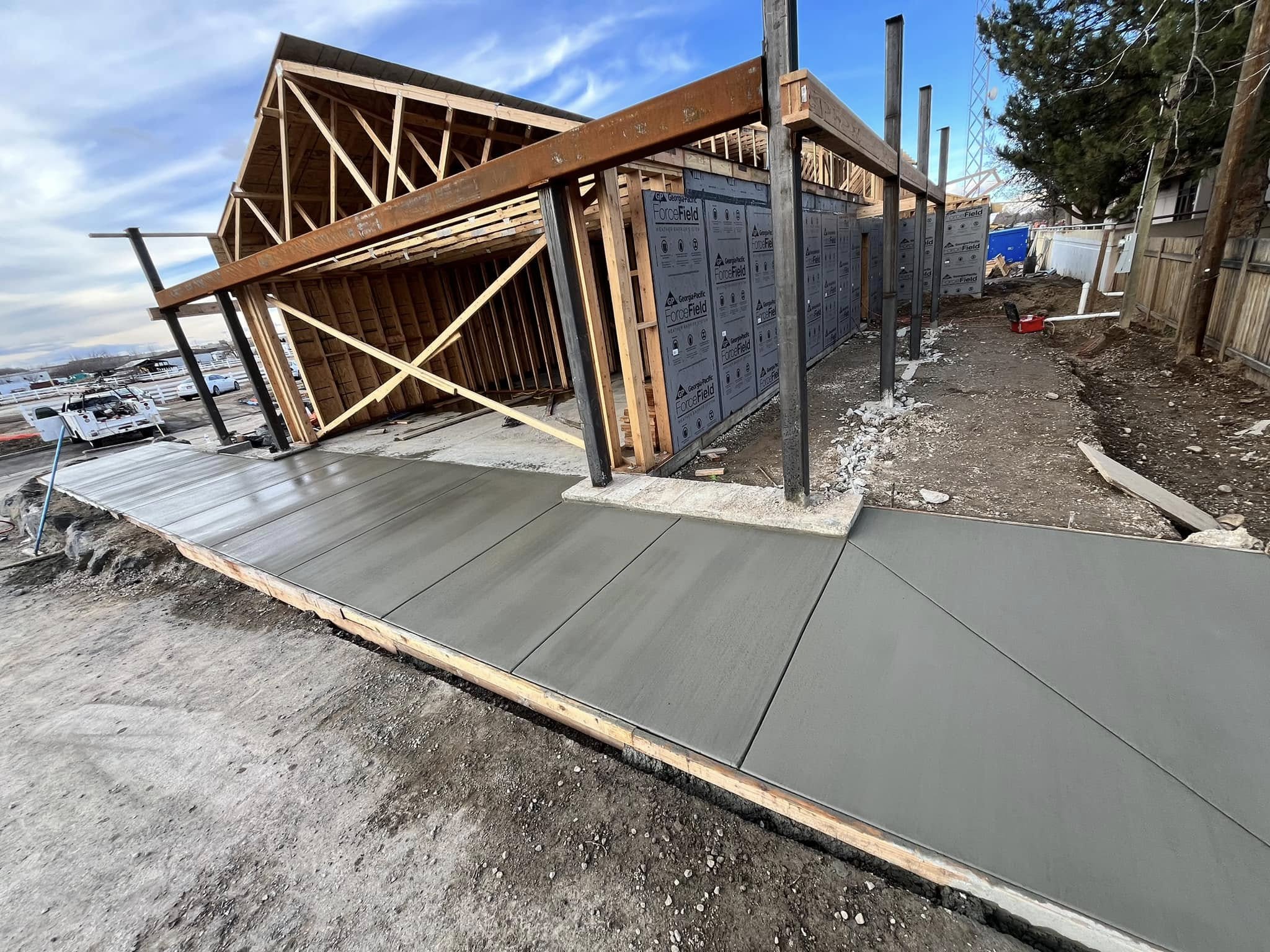
Future-Proofing Buildings: Concrete's Impact on Energy Efficiency and Insulation Dec 20, 2025
In recent years, the demand for energy-efficient buildings has surged. This shift is driven by both consumer demand for reduced energy costs and regulatory pressures for greener building practices. Concrete, often perceived as just a basic building material, is proving to be an ally in this green revolution. With its inherent properties, concrete contributes to thermal mass, which plays a pivotal role in regulating indoor temperatures.
Thermal mass is one of the key attributes of concrete that aids in energy efficiency. Essentially, thermal mass refers to a material's ability to absorb, store, and release heat. Concrete's high thermal mass helps stabilize temperature fluctuations within a building, reducing the reliance on heating and cooling systems. This capability not only improves energy efficiency but also enhances occupant comfort by maintaining a more consistent indoor climate.
Furthermore, concrete acts as an excellent insulator. Unlike some traditional building materials, concrete slows down the transfer of heat, making it more efficient at maintaining indoor temperatures. This is particularly beneficial in regions with extreme weather conditions, where insulation is paramount for reducing energy consumption and lowering heating or cooling costs. By incorporating concrete into building design, construction companies can offer improved insulation solutions, significantly reducing the energy demands of a building.
Another compelling benefit of using concrete in construction is its durability and low maintenance. Buildings constructed with concrete not only last longer but also require less maintenance. This longevity results in lower lifecycle energy consumption compared to other materials that may need frequent repairs or replacements. By opting for concrete, companies like AMF Concrete Construction can ensure that their projects are not only energy-efficient but also economically advantageous over the long term.
In addition to its functional benefits, concrete is also a sustainable material choice. The production of concrete has become more energy-efficient over the years, with advancements in technology reducing the carbon footprint associated with its manufacture. Moreover, concrete can incorporate recycled materials such as fly ash or slag, further lowering its environmental impact. By utilizing such sustainable practices, concrete construction aligns with the growing trend toward environmentally responsible building.
In conclusion, concrete's impact on energy efficiency and insulation showcases its critical role in future-proofing buildings. As energy costs rise and environmental concerns grow, utilizing concrete allows construction companies to comply with energy standards and benefit from the material's thermal and insulating properties. By choosing concrete, AMF Concrete Construction and others can offer clients innovative, sustainable solutions that meet the demands of modern building design. In doing so, they not only enhance building performance but also contribute to a greener, more sustainable future.
Embracing concrete as a core component in energy-efficient architecture ensures that as regulations become more stringent and consumer awareness increases, the industry will be well-equipped to meet these new challenges head-on. As concrete continues to evolve, it stands poised to play an even greater role in building the sustainable cities of tomorrow.
/filters:no_upscale()/filters:format(webp)/media/2d3552c3-5a53-416f-9ff5-d38e8300f855.jpg)
/filters:no_upscale()/filters:format(webp)/media/6e10d7c4-3b94-4a74-a181-643bd471960f.jpeg)