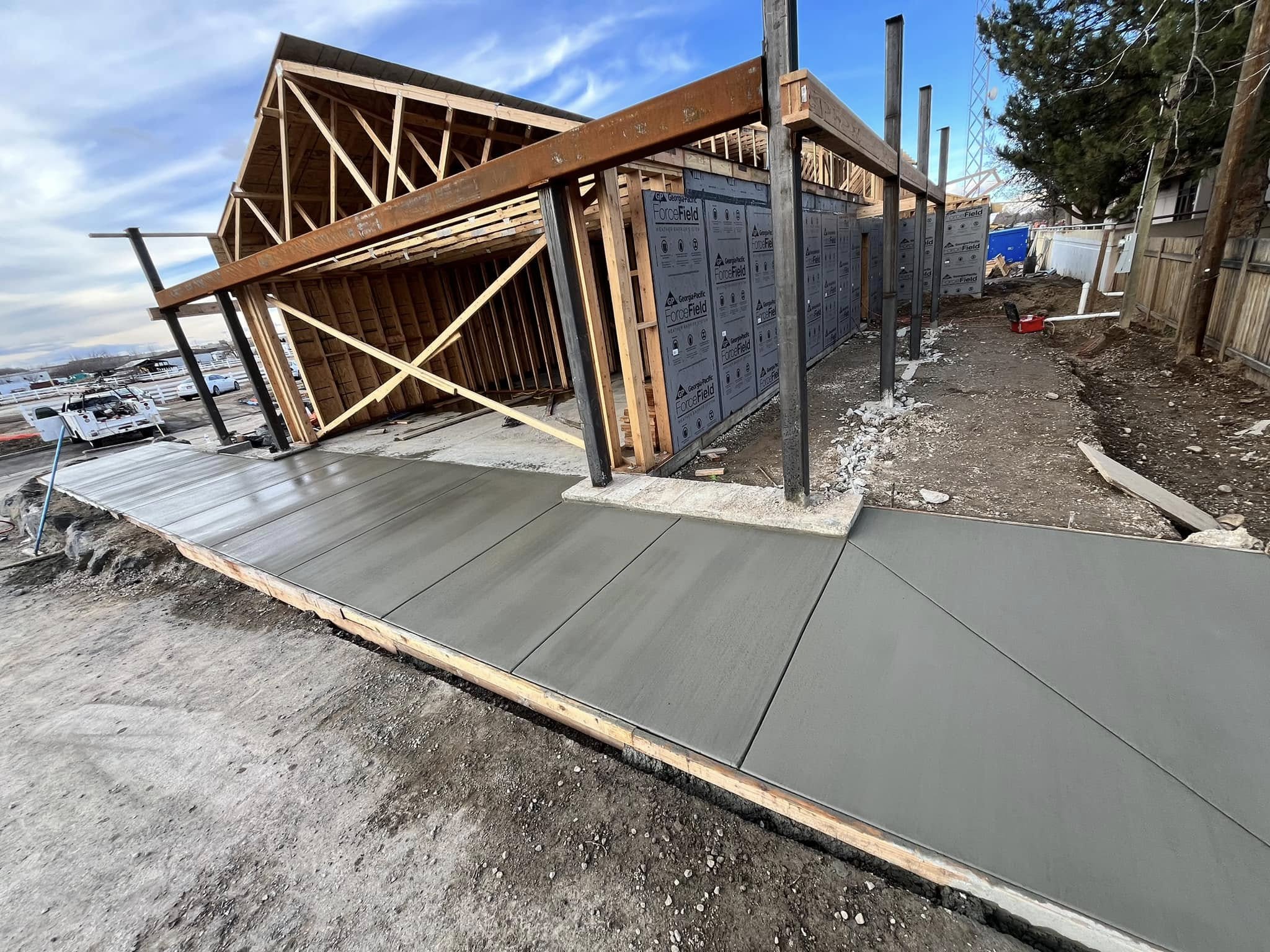
Designing Resilient Urban Infrastructure with Advanced Concrete Techniques Nov 15, 2025
Concrete has long been a staple in construction due to its durability and versatility. However, traditional concrete often falls short of contemporary needs. Innovations in concrete technology have led to the development of high-performance materials that offer greater strength, longevity, and environmental benefits. These advanced concrete techniques are paving the way for resilient infrastructure that can withstand the rigors of urban growth and climate variability.
One such technique involves the use of high-performance concrete (HPC). HPC is engineered to have higher strength and durability compared to conventional concrete. Its enhanced properties allow for the construction of thinner and lighter structures without compromising stability. This makes HPC particularly useful for building bridges and high-rise buildings that must endure heavy loads and environmental stresses. By using HPC, AMF Concrete Construction ensures that urban structures are not only built to last but are also more adaptable to the changing needs of urban landscapes.
Furthermore, the incorporation of fiber-reinforced concrete has gained popularity due to its ability to resist cracking and improve tensile strength. This type of concrete is embedded with fibers, such as steel or synthetic materials, which enhance its structural integrity. Fiber-reinforced concrete is ideal for projects requiring superior durability, such as roadways, tunnels, and parking garages. AMF Concrete Construction utilizes this advanced technique to create infrastructure that reduces maintenance costs and extends service life, providing significant value to urban projects.
Sustainability is also a key consideration in designing resilient urban infrastructure. The use of eco-friendly concrete options, such as recycled aggregate concrete, supports sustainable construction practices. Recycled concrete not only involves the reuse of existing materials but also reduces the carbon footprint associated with the manufacturing of new concrete. By implementing sustainable materials, AMF Concrete Construction contributes to greener, more sustainable cities, aligning with global efforts to combat environmental challenges.
Another pivotal advancement is the application of self-healing concrete. This innovative material features microcapsules containing sealants that are released to fill cracks when they form. Self-healing concrete minimizes the need for repairs and enhances the lifespan of structures. For urban planners and municipalities, this translates to lower long-term maintenance costs and improved safety for public infrastructure.
In conclusion, designing resilient urban infrastructure is crucial in a world where urban centers are rapidly evolving and facing unprecedented challenges. Through the application of advanced concrete techniques such as high-performance and fiber-reinforced concretes, as well as sustainable and self-healing options, AMF Concrete Construction is revolutionizing how we build and maintain our cities. These innovations not only ensure that infrastructure can meet the demands of today but also those of tomorrow, making urban environments more livable, sustainable, and resilient. As we look to the future, embracing these technological advancements in concrete will be pivotal for creating cities that thrive in harmony with their surroundings.
/filters:no_upscale()/filters:format(webp)/media/2d3552c3-5a53-416f-9ff5-d38e8300f855.jpg)
/filters:no_upscale()/filters:format(webp)/media/6e10d7c4-3b94-4a74-a181-643bd471960f.jpeg)