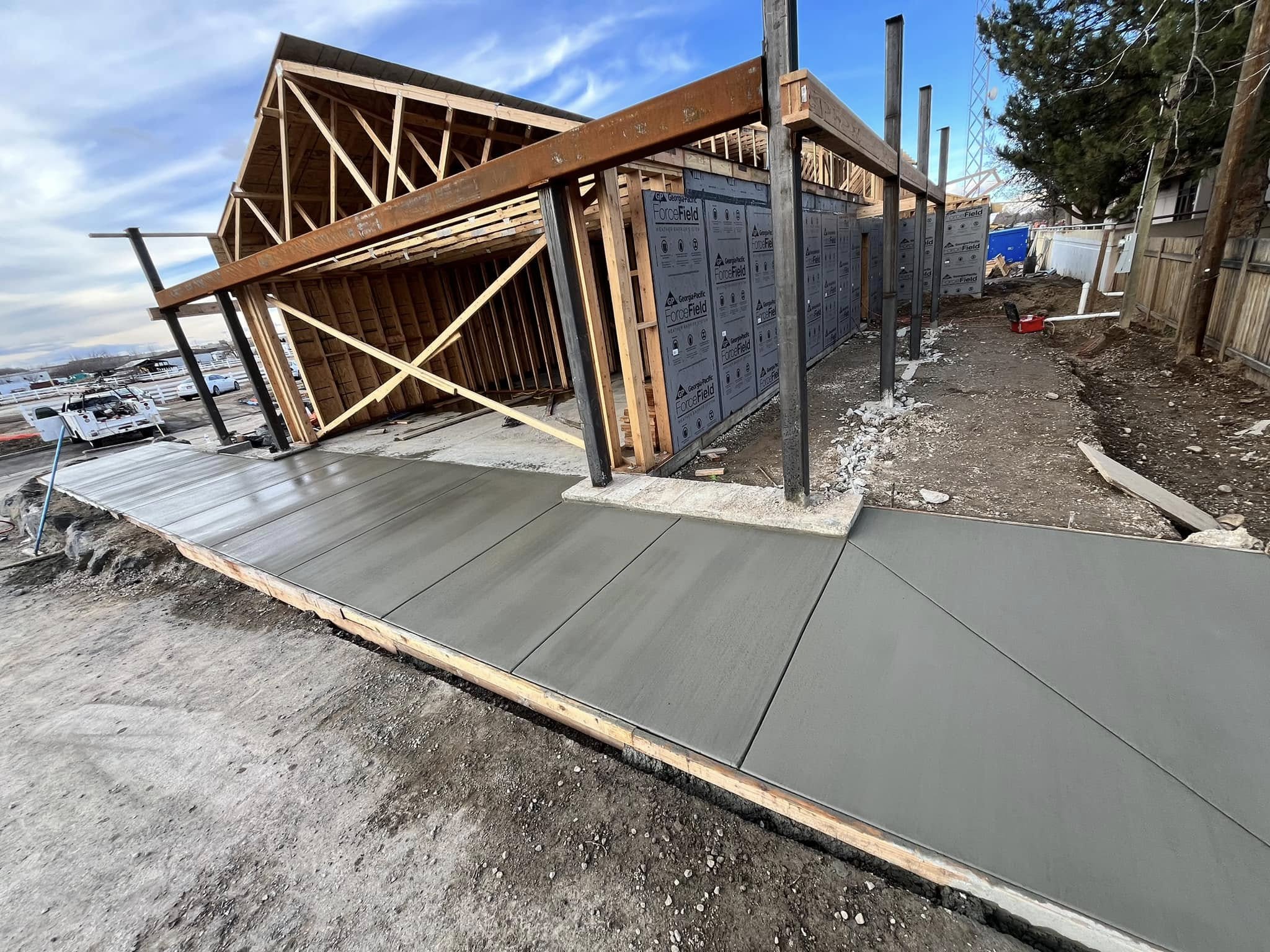
Concrete's Frontier in Climate Adaptation: Designing for Future Challenges Feb 05, 2026
Concrete, long celebrated for its durability, must now be engineered to meet new environmental demands. Rising temperatures, increased precipitation, and severe weather events are altering the conditions that concrete structures need to endure. As we venture into an era where climate resilience is paramount, it is crucial to explore how concrete can be adapted to these challenges.
One of the most pressing issues is thermal stress. As average temperatures rise, concrete structures are more susceptible to thermal expansion and contraction, leading to cracking and degradation over time. To counteract this, AMF Concrete Construction is exploring the use of advanced concrete mixtures. These incorporate additives like fly ash and slag to improve thermal responsiveness and maintain structural integrity under varying temperatures.
Another significant concern is the increased risk of water-related damage due to heavier rainfall and flooding. Traditional concrete is often porous, which allows water to seep in and potentially cause deterioration. By utilizing innovative mixes and protective coatings, AMF Concrete Construction can create barriers that repel water and enhance the longevity of structures. These solutions ensure that concrete remains robust even in the face of constant moisture exposure.
Additionally, the industry is looking towards the development of more sustainable concrete formulations. The production of traditional concrete is known for its high carbon footprint, primarily due to cement manufacturing. By incorporating materials like recycled aggregates and alternative binders, AMF Concrete Construction contributes to lower emissions. This not only aids in combating climate change but also supports goals of sustainability within the construction industry.
Building designs are also being re-envisioned to address future climatic conditions. For example, implementing features like cool roofs and reflective pavements can significantly reduce heat absorption, helping to keep urban areas cooler. Furthermore, AMF Concrete Construction is adopting modular construction techniques that enable quicker assembly and are adaptable to varying geographical and environmental conditions.
As infrastructure adapts to a changing planet, it is essential for companies like AMF Concrete Construction to educate clients on maintaining these advanced structures. Regular inspections and maintenance routines tailored to the specific environmental stresses can prolong the lifespan of concrete installations, ensuring they remain functional and safe over decades.
Ultimately, the frontier of concrete's adaptation to climate change is not just about meeting immediate construction demands but also about anticipating future risks. By embracing innovative materials and techniques, AMF Concrete Construction is poised to lead in creating infrastructure that not just survives but thrives amid new environmental realities.
In conclusion, the path forward for the concrete industry is clear: innovation, sustainability, and resilience must be at its core. By focusing on these pillars, AMF Concrete Construction is paving the way for a future where infrastructure development is in harmony with our evolving climate, ensuring structures remain steadfast as the foundation of modern society. As we continue to explore concrete's role in climate adaptation, the goal is to build not just for the present but for generations to come.
/filters:no_upscale()/filters:format(webp)/media/2d3552c3-5a53-416f-9ff5-d38e8300f855.jpg)
/filters:no_upscale()/filters:format(webp)/media/6e10d7c4-3b94-4a74-a181-643bd471960f.jpeg)