Concrete Resilience: Building Infrastructure to Withstand Extreme Weather Apr 23, 2026
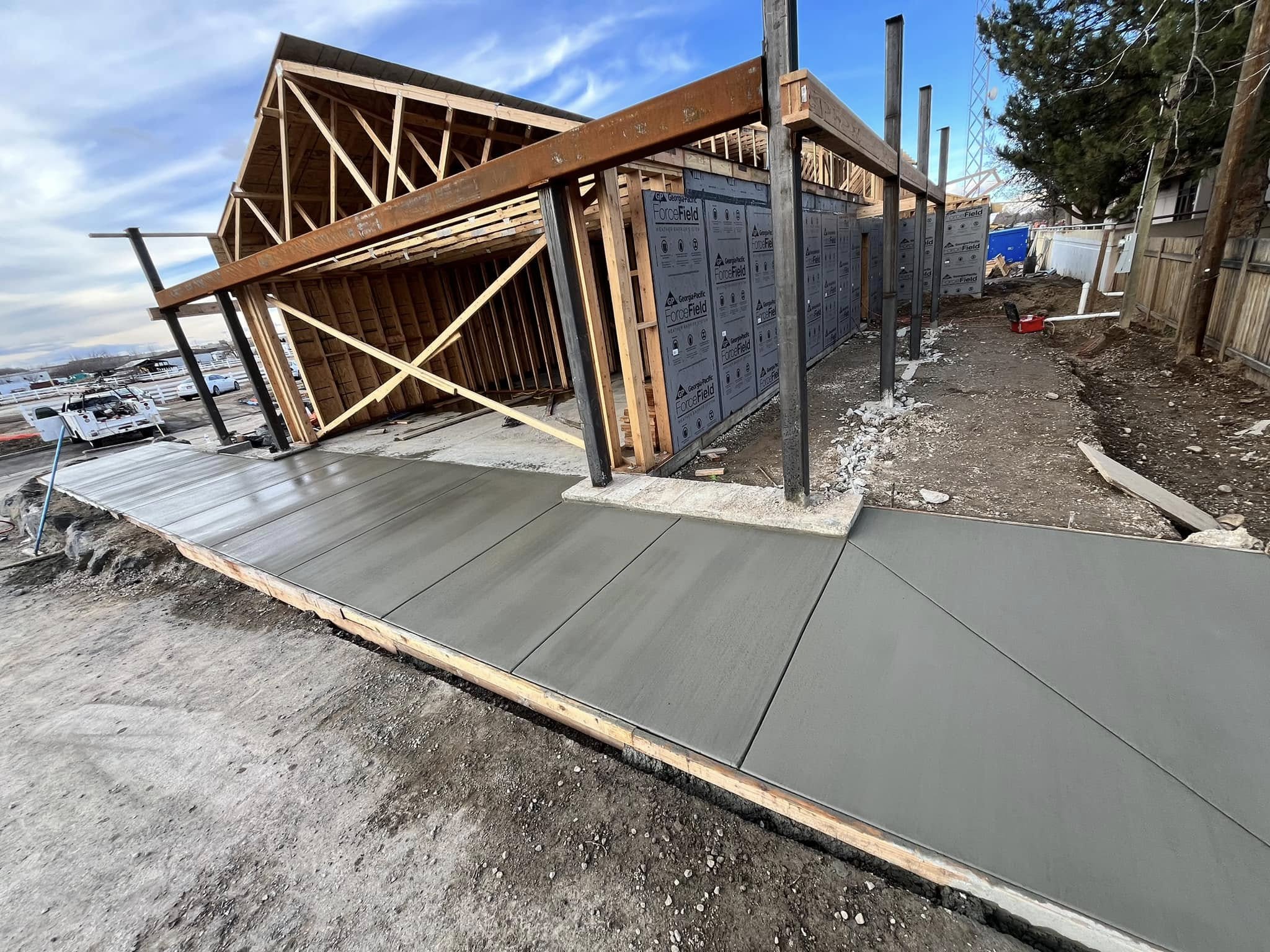
In recent years, the frequency and intensity of extreme weather events have increased, posing significant challenges to infrastructure worldwide. As a leading company in the concrete service industry, AMF Concrete Construction understands the importance of building resilient structures. Using concrete as a primary material, we can enhance the durability and adaptability of infrastructure to withstand severe weather conditions. This article explores how concrete's resilience makes it an ideal choice for modern construction projects designed to endure such environmental stresses.
The Role of Concrete in Resilient Infrastructure
Concrete is renowned for its strength and durability, typically lasting for decades, which makes it an invaluable choice for construction. Its ability to withstand heavy loads, resist weather-related deterioration, and maintain structural integrity under stress is why it is favored in both residential and commercial projects. AMF Concrete Construction uses advanced techniques and materials to ensure each concrete structure offers maximum resilience against natural forces.
Innovations in Concrete Technology
Recent innovations in concrete technology have significantly improved its resistance to extreme weather conditions. High-performance concrete, like fiber-reinforced and ultra-high-performance concrete, offers enhanced durability and strength. These materials can withstand extreme temperatures, water exposure, and freeze-thaw cycles without compromising their structural integrity. AMF Concrete Construction employs these cutting-edge materials in our projects to ensure long-lasting, resilient structures that remain safe and functional during natural disasters.
Designing for Durability
Incorporating concrete into infrastructure is only part of ensuring resilience. Thoughtful design that considers environmental impacts is crucial. At AMF Concrete Construction, we focus on smart design practices, such as optimizing drainage systems, using freeze-resistant mix designs, and incorporating flexible foundations that accommodate natural ground movement. By considering the unique challenges of each project site, we tailor solutions that safeguard against potential weather-related damage.
Sustainability and Concrete
Sustainability is a key consideration when discussing infrastructure resilience. Concrete’s eco-friendly attributes make it an attractive option for sustainable construction. It uses locally sourced materials, produces low emissions during production, and offers excellent thermal mass, reducing energy usage for heating and cooling buildings. Additionally, concrete can be recycled, further minimizing its environmental impact. By choosing concrete, AMF Concrete Construction supports both resilient and sustainable building practices.
The Economic Benefits of Concrete Resilience
Investing in resilient concrete structures reduces long-term maintenance and repair costs associated with weather damage. Although high-performance concrete may have a higher upfront cost, its longevity and durability result in significant savings over time. Homeowners and business owners can benefit from lower insurance premiums, minimized downtime after weather events, and preserved property value. At AMF Concrete Construction, we help our clients understand the economic advantages of choosing concrete for durability and resilience in their infrastructure projects.
Conclusion
As extreme weather events become more common, the need for resilient infrastructure grows. Concrete stands as a premier building material, offering unrivaled durability and reliability. AMF Concrete Construction is committed to leveraging the strength of concrete to build infrastructure that not only withstands the tests of time and climate but also contributes to sustainable development. By choosing concrete solutions for your projects, you ensure safety, longevity, and peace of mind in an ever-changing environmental landscape. Reach out to us to learn more about how we can help you design and construct resilient structures ready to face the elements.
/filters:no_upscale()/filters:format(webp)/media/2d3552c3-5a53-416f-9ff5-d38e8300f855.jpg)
/filters:no_upscale()/filters:format(webp)/media/6e10d7c4-3b94-4a74-a181-643bd471960f.jpeg)