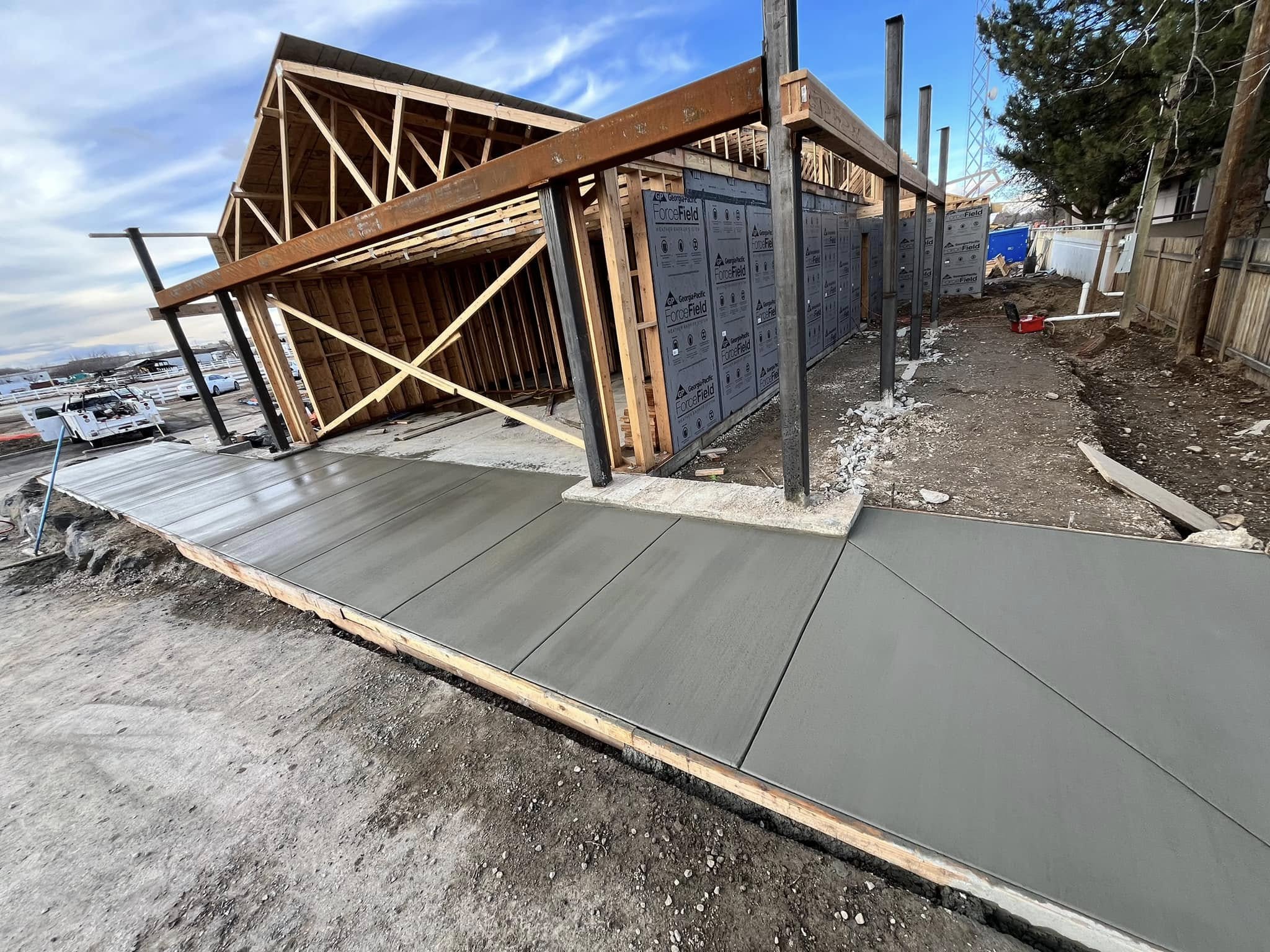
Concrete Connectivity: Building Bridges for the Future of Urban Mobility Feb 19, 2026
In today's urban environments, the connectivity between regions is crucial. The demand for resilient and sustainable infrastructure is compounded by growing urban populations and increased vehicle use. Concrete, with its unparalleled strength and versatility, stands as a vital material in bridging these gaps. It is the backbone of infrastructure projects that span roads, bridges, and tunnels, providing safe and efficient pathways for both vehicles and pedestrians.
One of the primary advantages of using concrete in urban bridge construction is its durability. Unlike other materials, concrete offers a long lifespan with minimal maintenance, making it an economically savvy option for city planners and developers. Its resistance to harsh weather conditions and heavy traffic loads ensures that bridges remain safe and functional throughout their service life. This resilience reduces the frequency and extent of repairs, minimizing disruptions to urban mobility and saving on long-term costs.
Moreover, concrete connects cities in more sustainable ways. Advances in concrete technology have led to environmentally friendly options such as green concrete. This type of concrete incorporates recycled materials and produces fewer carbon emissions during manufacturing. Implementing green concrete in construction projects aligns with global sustainability goals by reducing the urban infrastructure’s carbon footprint.
AMF Concrete Construction has been a leader in integrating innovative techniques to enhance urban connectivity. By employing state-of-the-art engineering solutions and precision craftsmanship, they ensure that each bridge not only meets structural demands but also complements the aesthetic and functional needs of its surroundings. This approach to concrete connectivity is essential to developing urban areas that are livable, accessible, and ready for future transportation innovations.
The design phase in bridge construction is also critical. Engineers at AMF Concrete Construction employ computer-aided design (CAD) technology to create detailed models, allowing them to simulate and optimize every aspect of the bridge before construction begins. This process guarantees that the infrastructure will handle planned transportation loads efficiently while allowing for potential future expansions or modifications.
As cities continue to grow and evolve, the demand for efficient and reliable transportation networks will only increase. Companies like AMF Concrete Construction are playing a pivotal role in this evolution by constructing bridges that not only connect regions but also support the broader goals of urban development and sustainability.
Ultimately, the future of urban mobility relies on infrastructures that are solidly built with an eye towards the future. Concrete connectivity is key, and with expert companies like AMF Concrete Construction leading the way, the bridges being built today will stand as testaments to progress, innovation, and a commitment to building better, more connected cities for tomorrow.
In conclusion, as the urban landscape continues to evolve, we can rely on concrete to be the foundation—quite literally—of the bridges that connect us. Through strategic design, sustainable practices, and a focus on durability, we pave the way for the future of urban mobility, ensuring that our cities remain connected, resilient, and sustainable for generations to come.
/filters:no_upscale()/filters:format(webp)/media/2d3552c3-5a53-416f-9ff5-d38e8300f855.jpg)
/filters:no_upscale()/filters:format(webp)/media/6e10d7c4-3b94-4a74-a181-643bd471960f.jpeg)