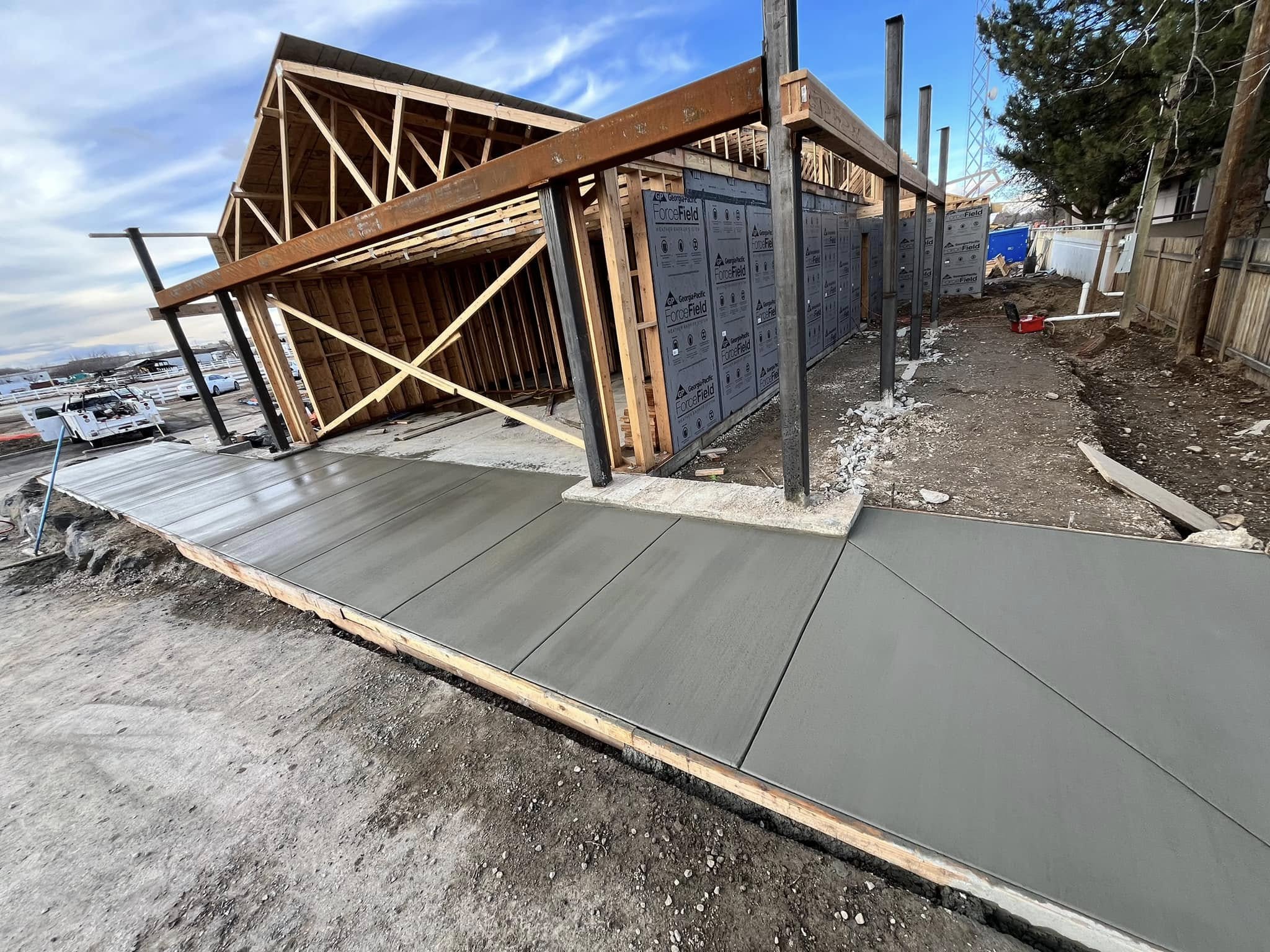
Building Smart: Integrating IoT Technologies into Concrete Construction Sep 14, 2026
The integration of IoT in concrete construction offers a transformative approach to how we design, build, and maintain structures. Simply put, IoT refers to interconnected devices and systems that communicate through the internet. In construction, this means utilizing sensors, smart tools, and real-time data analytics to optimize project outcomes. This potent combination not only augments efficiency but also significantly reduces risk, improving both the quality and durability of the buildings.
One of the major benefits of integrating IoT technologies in concrete construction is enhanced real-time monitoring. By deploying sensors embedded in concrete structures, companies like AMF Concrete Construction can continuously capture data such as temperature, humidity, and stress levels. This information allows us to track concrete curing in real time, enabling precise adjustments to be made when needed. Consequently, potential issues can be identified early, ensuring the integrity of the structure and mitigating costly repairs down the line.
Furthermore, incorporating IoT allows for predictive maintenance, setting a new standard in proactive care. By analyzing data trends, potential issues such as cracks, shifts, or weaknesses can be anticipated before they become significant problems. This fosters a more sustainable approach to infrastructure management, prolonging the lifespan of buildings and reducing the need for frequent repairs, ultimately saving time and resources.
Safety is another crucial area where IoT technologies shine. Wearable devices can track the location and health metrics of construction workers, ensuring immediate action if they enter dangerous zones or experience health incidents. This not only improves worker safety but also facilitates compliance with safety regulations more efficiently.
Additionally, IoT integration supports smart construction logistics. By using connected devices, AMF Concrete Construction can optimize the supply chain, ensuring materials are delivered just in time to reduce onsite storage and waste. Inventory levels can be monitored remotely, making it easier to manage resources and streamline operations.
Despite these advantages, integrating IoT in construction is not without its challenges. Issues such as data security, the need for skilled personnel, and initial setup costs must be considered. However, the long-term benefits of reduced operational costs, enhanced safety, and improved building quality significantly outweigh these hurdles.
In conclusion, the future of concrete construction lies in smart, data-driven solutions. At AMF Concrete Construction, our commitment to embracing IoT technologies reflects our dedication to leading the industry towards innovative, efficient, and sustainable practices. By investing in these advancements, we are not only keeping pace with global trends but also setting new benchmarks for excellence in concrete construction. Through strategic integration, IoT is not just an addition but a pivotal change that transforms how we build our world.
/filters:no_upscale()/filters:format(webp)/media/2d3552c3-5a53-416f-9ff5-d38e8300f855.jpg)
/filters:no_upscale()/filters:format(webp)/media/6e10d7c4-3b94-4a74-a181-643bd471960f.jpeg)