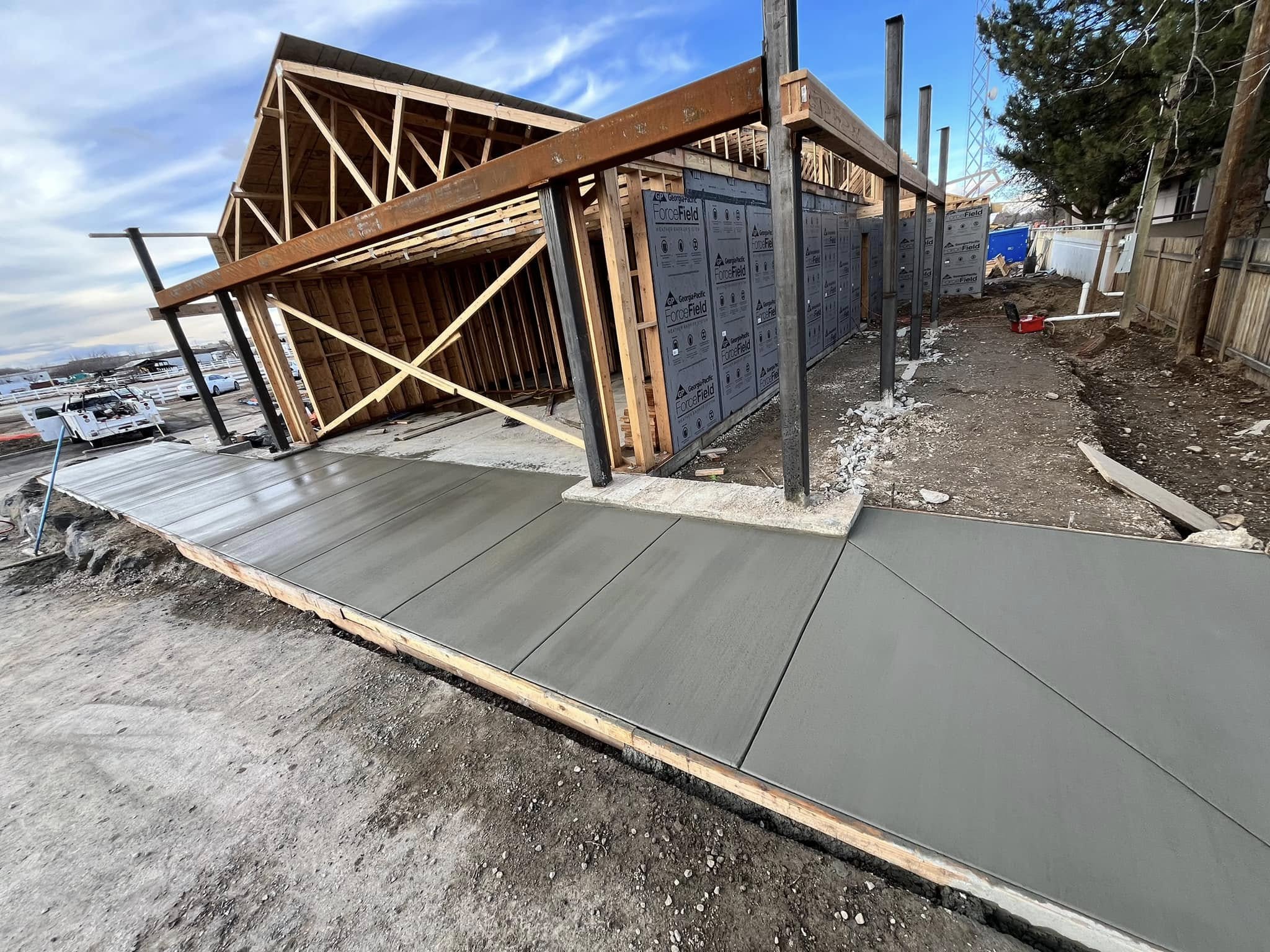
Adapting Urban Design: The Role of Concrete in Smart City Infrastructure Jan 20, 2026
Concrete's significance in infrastructure cannot be understated. Known for its strength and durability, concrete is the backbone of urban construction. From towering skyscrapers to intricate bridge networks, it provides the structural support necessary for high-density environments. Smart cities leverage this robustness by integrating concrete into the development of cutting-edge structures that withstand the test of time and environmental stresses.
One of the prominent features of smart cities is their focus on sustainability, and concrete plays a significant role in achieving these objectives. Modern advancements in concrete technology have led to the development of eco-friendly alternatives, such as green concrete. This innovative material reduces carbon emissions by incorporating recycled materials like fly ash, slag, and silica fume. By using green concrete, cities can significantly lower their environmental footprint while maintaining the strength and versatility for which concrete is renowned.
Permeable concrete is another advancement that benefits smart cities. As urban areas come under increasing threat from heavy rainfall and flooding, permeable concrete offers a solution by allowing water to seep through the ground, reducing runoff and the risk of flooding. This feature is particularly important in urban areas where space for drainage systems is limited. By incorporating permeable concrete in sidewalks, parking lots, and roadways, cities can better manage stormwater and enhance urban resilience against climate change.
In addition to its structural applications, concrete also enhances the aesthetics of urban landscapes. With the availability of decorative concrete, architects and designers have the freedom to create visually pleasing environments while maintaining the strength and durability required for urban settings. Stamped concrete, stained finishes, and varied textures allow for the customization of public spaces, making them not only functional but also inviting for city inhabitants.
Smart cities prioritize not only infrastructure but also connectivity. By embedding sensors into concrete structures, cities can monitor the health and performance of infrastructures like bridges and roads in real-time. This ability to collect data enables city planners to perform predictive maintenance, extending the lifespan of concrete structures and ensuring the safety of residents. Such integration of technology with concrete infrastructure lays the foundation for more efficient, responsive, and resilient urban environments.
As we continue to embrace the future of urban living, the role of concrete in smart city development grows increasingly vital. The material's unmatched combination of strength, versatility, and sustainability makes it indispensable for constructing the resilient infrastructures of tomorrow. Concrete’s ability to adapt to emerging technologies will only enhance its importance in creating smart cities that are not only efficient and sustainable but also safe and aesthetically pleasing.
AMF Concrete Construction is at the forefront of this transformative period, providing innovative concrete solutions that align with the evolving needs of urban environments. Their expertise ensures that concrete not only meets the demands of modern-day smart cities but exceeds the expectations of sustainability and resilience. By choosing AMF Concrete Construction, city planners and developers can be assured of quality and innovation that supports the urban infrastructure's future-ready ambitions.
/filters:no_upscale()/filters:format(webp)/media/2d3552c3-5a53-416f-9ff5-d38e8300f855.jpg)
/filters:no_upscale()/filters:format(webp)/media/6e10d7c4-3b94-4a74-a181-643bd471960f.jpeg)